
Florida residents, healthcare providers, patients, and visitors often ask a question: is weed legal in Florida? Though Marijuana laws often change with time, Florida provides a strict and clear legal framework for Weed.
As per recent laws of 2026, weed is allowed only for medical uses, however recreational use is still prohibited. It is helpful to know the difference between legal medical use and illegal possession to avoid potential legal penalties.
In this guide, you will know about Florida Marijuana Laws, what is the rule for legal use, allowable amounts, penalties, and the future laws for weed legalization in Florida.
Medical Only • Recreational Prohibited
Medical marijuana and recreational marijuana laws are clearly distinguished by Florida Law.
In Florida, marijuana use is legal for qualified patients who meet the requirements of State Laws and hold a valid Florida Medical Marijuana Card. They must also know allowed possession limits and usage.
Recreational use of marijuana in Florida is still prohibited. People who hold, use, or sell weed without any proper medical authorization may endure criminal charges, fines, or imprisonment according to the usage quantity and circumstances.
Medical Marijuana is legalized in Florida through a constitutional amendment, establishing a regulated program overseen by the Florida Department of Health.
In Florida, to use medical marijuana legally, it is essential that:
There are strict rules about the possession of Marijuana for medical reasons.
Legal medical marijuana use is also prohibited in specific areas, such as:
It is also illegal to drive under the influence of marijuana and will be accused similarly to DUI alcohol offenses.
In Florida, penalties for illegal marijuana use depend on the amount and reason.
Possession of 20 grams or less of illegal marijuana is usually taken as a misdemeanor offense in Florida. Offenders will have to face fines, probation, or imprisonment according to the circumstances.
Felony fines will be charged to individuals who exceed the allowed legal amounts. Convictions will carry significant fines. Accusers may go to jail based on the severity of offense.
Even if marijuana is legal in other states, these penalties will apply in Florida.
Hemp-derived products that comply with federal THC restrictions are usually legal in Florida. But, stricter enforcement has placed some cannabinoid products under regulatory scrutiny. As the legal rules change any time, users must stay aware of current laws.
Yes, employers in Florida usually have the authority to enforce drug-free workplace policies. These policies are also applied to patients who are legally allowed for marijuana. Employers can:
While medical marijuana is allowed, it can not override the safety standards of the workplace.
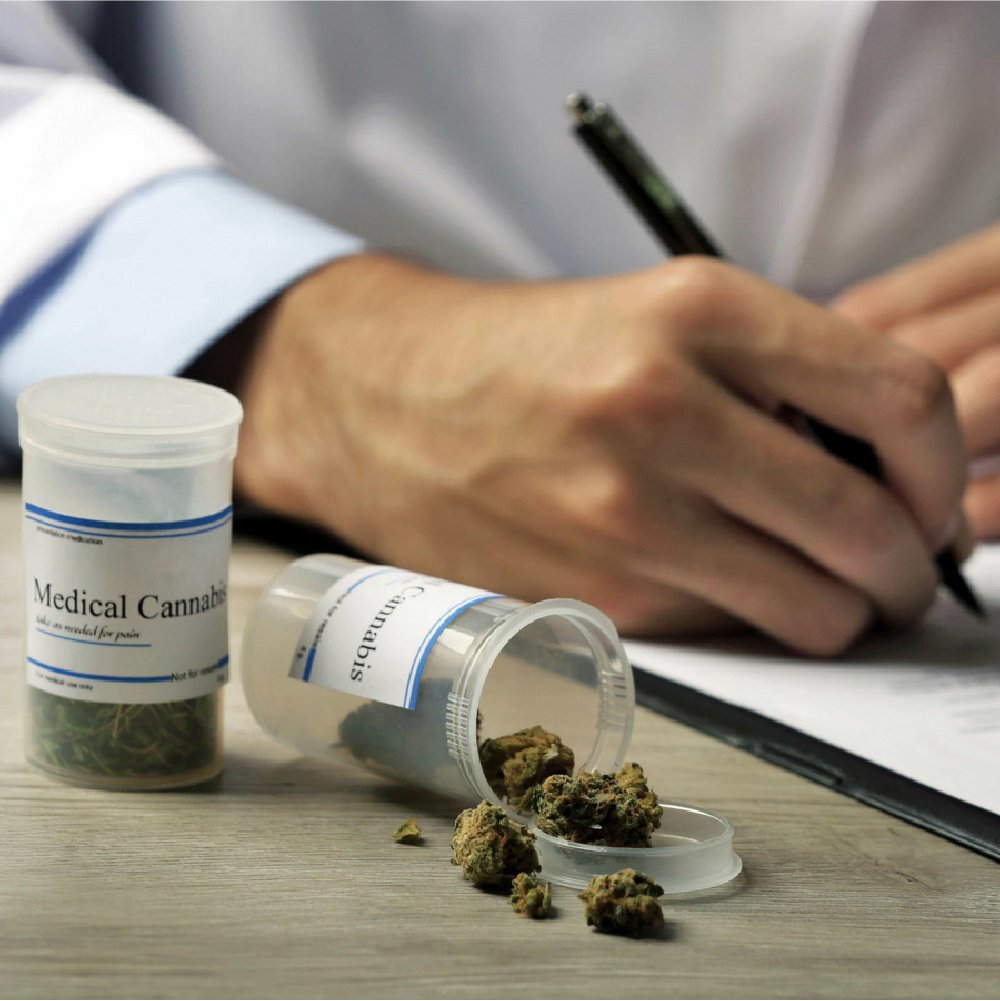
Medical marijuana may be recommended by doctors in Florida, but they do not prescribe it. A doctor must:
If a doctor provides improper recommendations, it can cause legal and licensing penalties.
In Florida, proposals to legalize recreational marijuana have gained citizens’ interest. However, recreational use is still banned according to state law. Voter approval, legislative action, or other legal process will be required for any future changes.
For now, recreational marijuana is prohibited in Florida.
If you are not aware of marijuana laws, it may cause:
Both doctors and patients must be aware of recent Florida marijuana laws.
No, marijuana is not legal for individuals without a valid medical card.
No, even for marijuana patients, home cultivation is not legal.
No, only Florida residents with medical marijuana cards are allowed to buy marijuana in Florida.
Laws regarding firearm ownership are complex and may fall under federal legal limitations.
Yes, hemp-derived CBD products are legal if they meet state and federal regulations.
So, the legal use of marijuana depends on why and how you use it. A strict regularity system is made for using medical marijuana, while recreational marijuana is still prohibited. To avoid any legal penalties or consequences, patients and doctors must be aware of the current rules of the State.
You can protect your rights and your future by following strict rules, as the rules evolve continuously.